Tibial Plateau Levelling Osteotomy (TPLO)
TPLO – ACL Stabilisation Surgery in Dogs
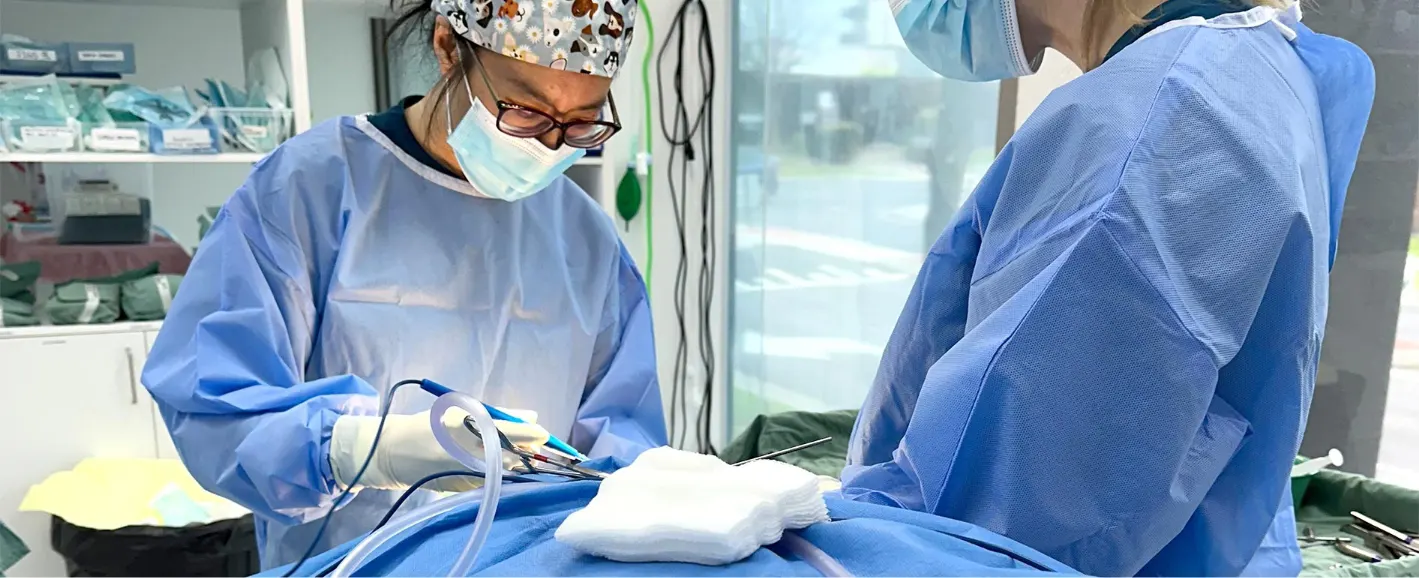
A ruptured cruciate ligament is one of the most common and painful orthopaedic injuries a dog can experience. If your dog has been diagnosed with a torn cruciate, or is showing signs of hind-leg lameness, Tibial Plateau Levelling Osteotomy (TPLO) surgery is the most effective and widely recommended treatment available. At Melbourne Pet Surgery, our experienced surgical team performs this procedure with precision and care, focused on giving your dog the best possible outcome.
What Is TPLO Surgery?
TPLO, or Tibial Plateau Levelling Osteotomy (also referred to as Tibial Plateau Leveling Osteotomy in some publications), is a surgical procedure designed to treat a ruptured cranial cruciate ligament (CCL) in dogs. It is the canine equivalent of an ACL tear in humans. Rather than replacing the damaged ligament directly, the procedure changes the underlying mechanics of the stifle (knee) joint. A precise curved cut is made in the tibia and the tibial plateau is rotated to a new angle. This eliminates the need for the cruciate ligament to stabilise the joint during weight-bearing, giving your dog a stable, functional knee.
The procedure suits dogs of all sizes and breeds, although it is most commonly recommended for medium to large-breed dogs because of the biomechanical forces involved. Refined over more than two decades of clinical practice, it is now the preferred approach for cruciate ligament surgery in dogs across Australia and internationally.
TPLO surgery in dogs is recommended when a complete or partial rupture of the cranial cruciate ligament has been confirmed. Your veterinarian may advise this procedure in the following situations:
- A complete CCL rupture causing significant hind-leg lameness or an inability to bear weight
- A partial cruciate tear that has not improved with rest or conservative management
- Active or working dogs where a full return to function is essential
- Medium, large, or giant breed dogs, though the procedure is also effective in smaller breeds
- Younger dogs, where conservative management is unlikely to achieve long-term joint stability
- Dogs with concurrent meniscal damage that needs to be treated at the same time
Before proceeding, your dog will undergo a thorough orthopaedic examination including X-rays to confirm the diagnosis, measure the tibial plateau angle, and plan the procedure carefully. At Melbourne Pet Surgery we take a patient-first approach. Our team will walk you through your dog's condition, explain every option, and only recommend surgery when it is genuinely the right course of action.
The TPLO Procedure Step by Step
At Melbourne Pet Surgery, the operation is carried out under general anaesthesia by our experienced surgical team. Here is what the process involves from start to finish:
| Stage | What Happens |
|---|---|
| Pre-operative Assessment | An orthopaedic examination, X-rays, and blood work are completed to confirm the diagnosis and ensure your dog is a safe candidate for anaesthesia. |
| Anaesthesia and Preparation | Your dog is placed under general anaesthesia. The surgical site is clipped and prepared under sterile conditions. |
| Joint Exploration | The stifle joint is opened and assessed for any meniscal damage. Affected meniscal tissue is treated at this stage before the bone work begins. |
| Tibial Osteotomy | A precise curved cut is made in the tibia using specialist equipment. The tibial plateau is then rotated to the target angle, removing tibial thrust from the joint mechanics. |
| Plate Fixation | A bone plate and screws are used to hold the osteotomy site in the correct position while healing takes place. |
| Closure and Post-op Imaging | The joint is thoroughly lavaged, the incision is closed in layers, and post-operative X-rays are taken to confirm that the implants are correctly positioned. |
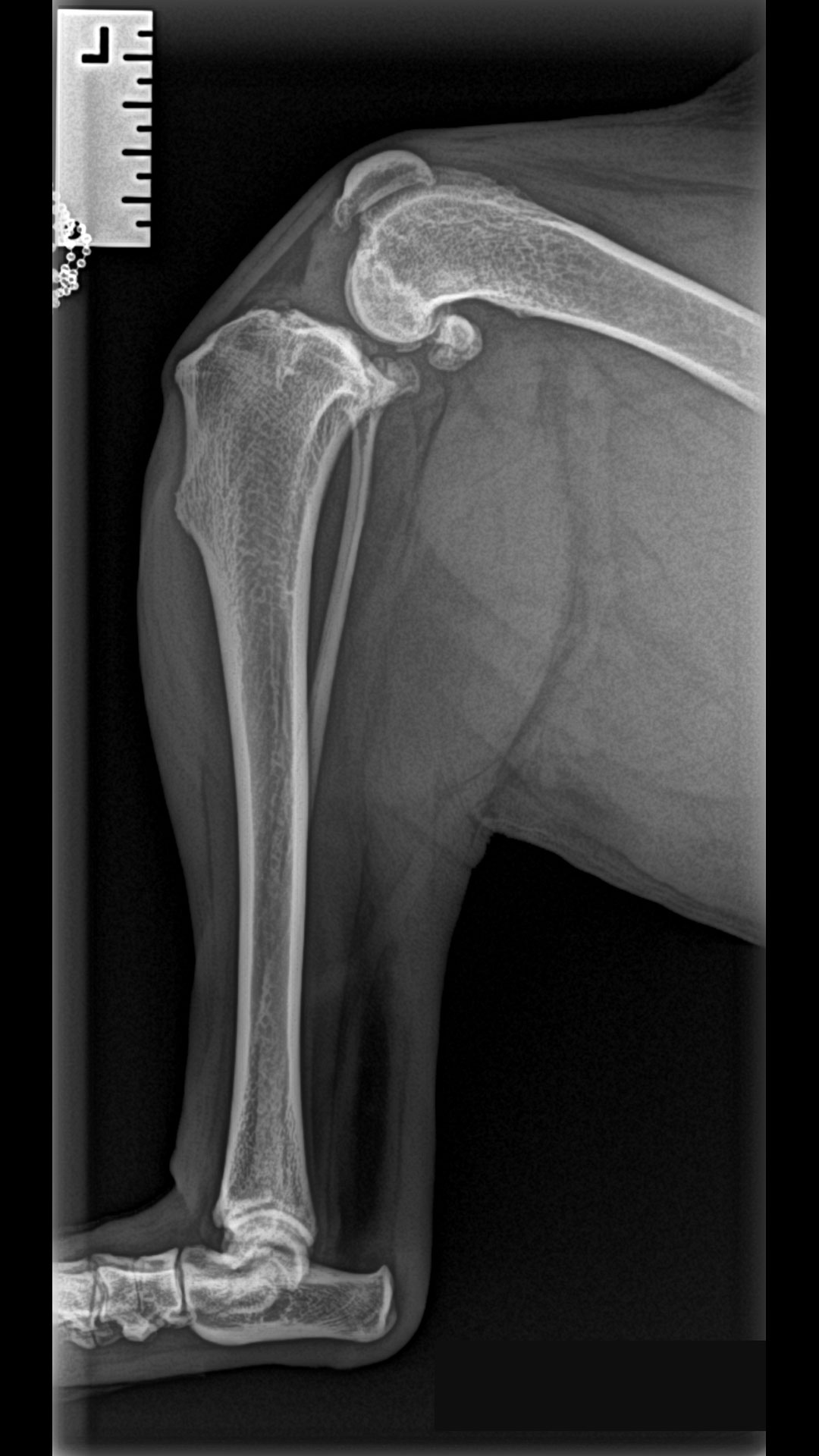
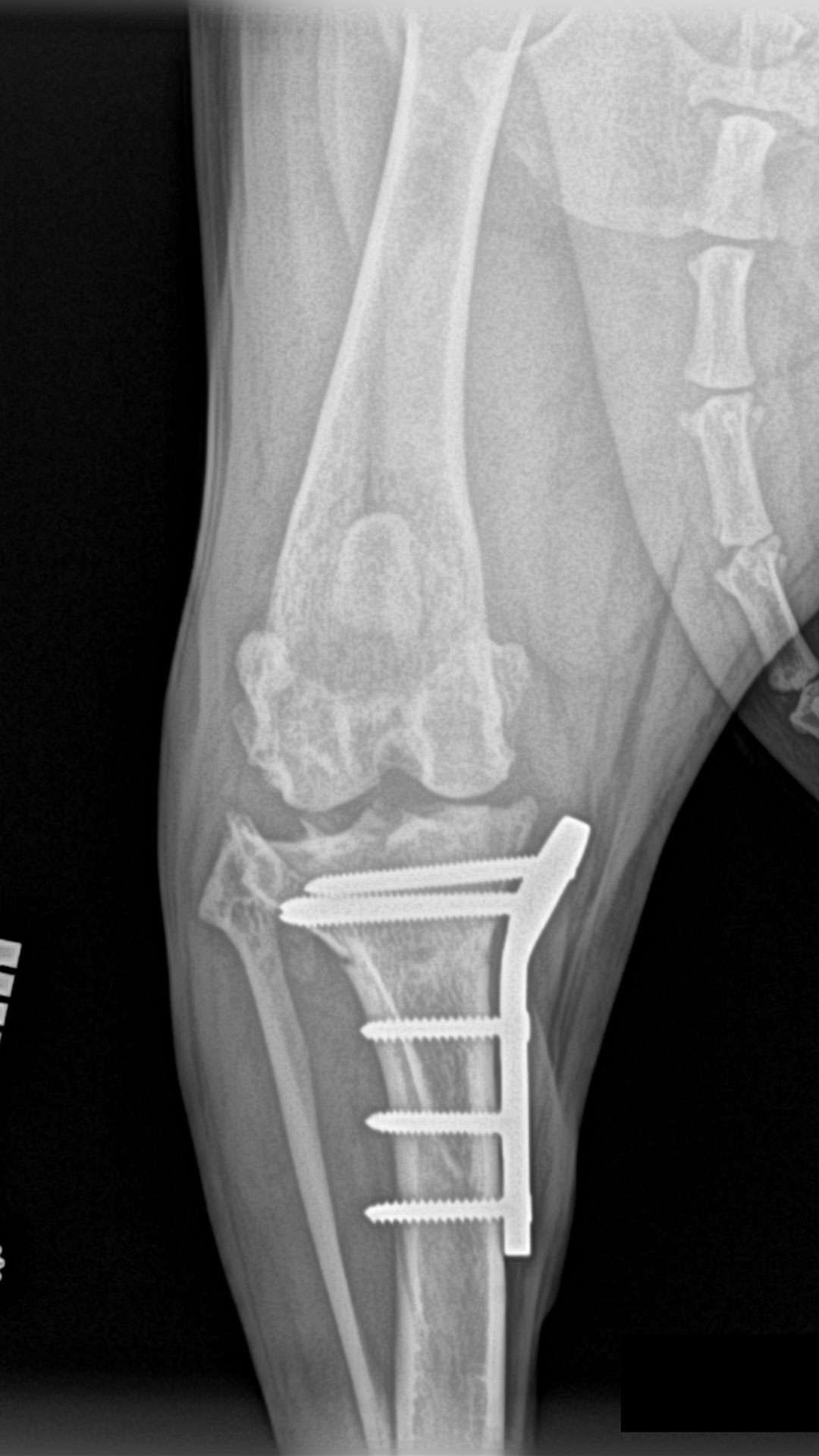
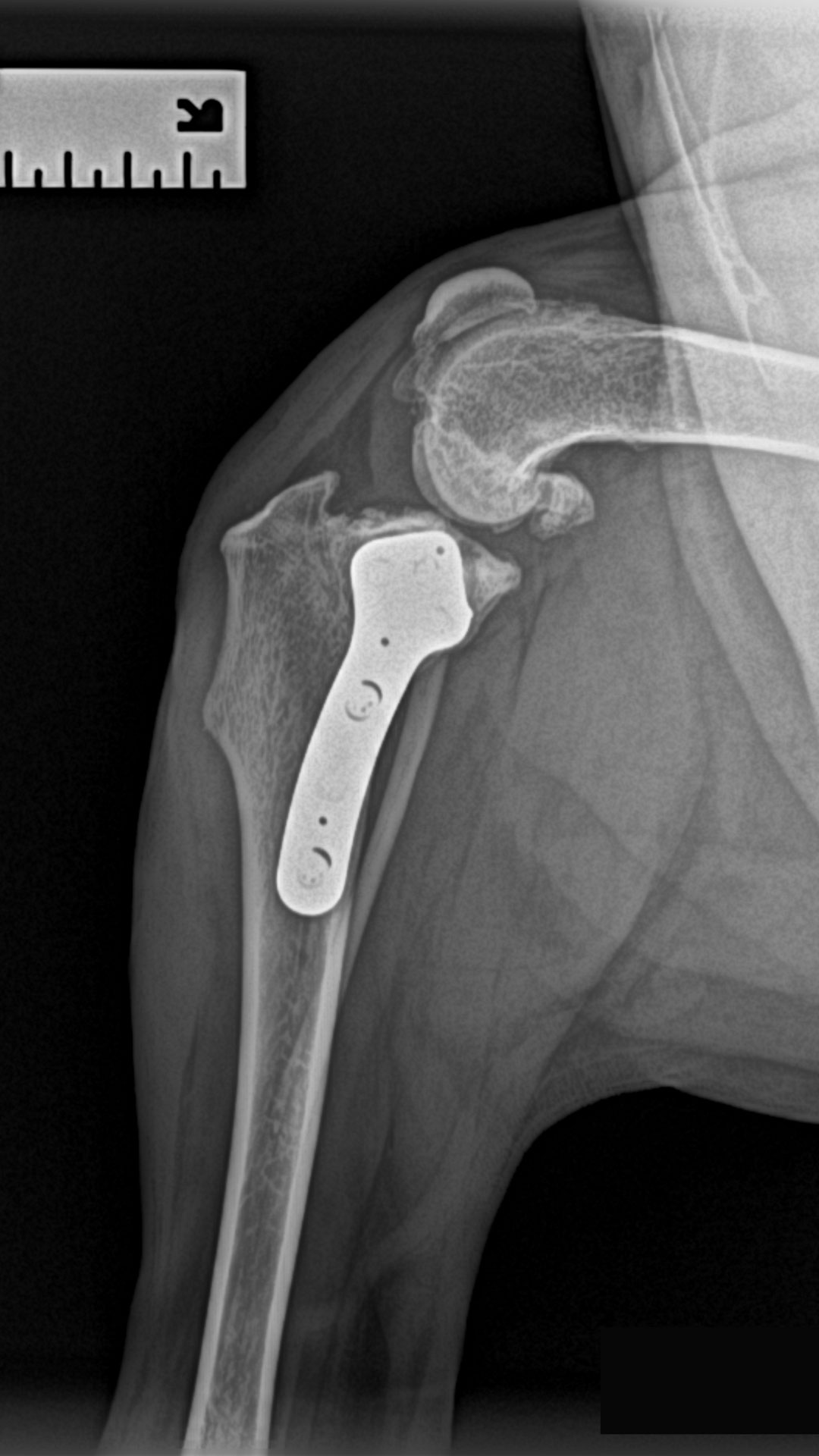
TPLO surgery in dogs is widely regarded as the most effective long-term solution for cruciate ligament rupture. Here is why so many vets and owners choose this approach:
- Most dogs begin bearing weight on the operated leg within one to two weeks of surgery
- Long-term joint stability is superior to soft tissue repair techniques such as extracapsular repair
- The procedure slows the progression of osteoarthritis in the stifle joint
- More than 90% of dogs return to normal or near-normal activity following the operation
- Well suited to active dogs, working dogs, and sporting breeds that need full function restored
- By eliminating tibial thrust, the procedure addresses the underlying biomechanical cause of ongoing joint damage
- Dogs of all sizes and ages tolerate the surgery well
Compared to conservative management using rest and pain relief alone, this surgical approach consistently delivers better outcomes for joint health and quality of life, particularly in medium to large-breed dogs.
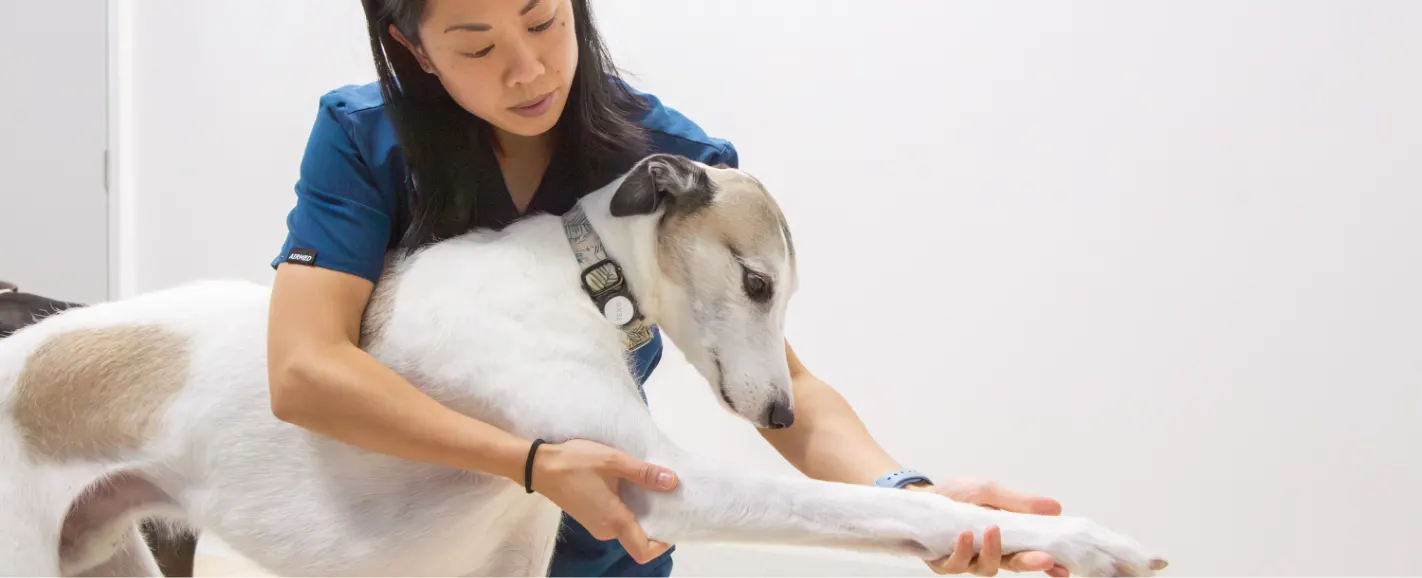
TPLO Surgery Cost for Dogs
At Melbourne Pet Surgery, TPLO surgery is priced between $3,450 and $4,500 depending on your dog's size and medication requirements. We believe in transparent, upfront pricing so you know exactly what is included before you commit to a consultation.
| Included in all TPLO surgeries | |
|---|---|
| Hospitalisation on the day of surgery | Included |
| Pre-operative orthopaedic examination | Included |
| Pre-operative X-rays and surgical planning | Included |
| General anaesthesia and monitoring | Included |
| IV fluids throughout the procedure | Included |
| Multi-level pain relief during and after surgery | Included |
| Implants (bone plate and screws) | Included |
| Post-operative X-rays to confirm alignment | Included |
| Take-home medications (antibiotics, pain relief, sedatives and arthritis injections) | Included |
| Discharge consultation with an experienced veterinary nurse | Included |
| Written aftercare instructions and post-operative support | Included |
| Optional or case-specific extras | |
|---|---|
| Pre-anaesthetic blood testing | Additional cost |
| Protective collar or body suit | Additional cost |
| Overnight care if clinically recommended | Additional cost |
| Additional medications for very large dogs | May vary |
Final pricing may be higher for very large dogs, dogs requiring additional medications, or cases where overnight monitoring is clinically recommended. Optional pre-anaesthetic blood testing is also available at an additional cost and is recommended for older dogs or those with known health conditions.
If you would like a personalised cost estimate before booking, our team is happy to provide one based on your dog's weight and clinical history. Contact Melbourne Pet Surgery to discuss your options.
TPLO Recovery - What to Expect
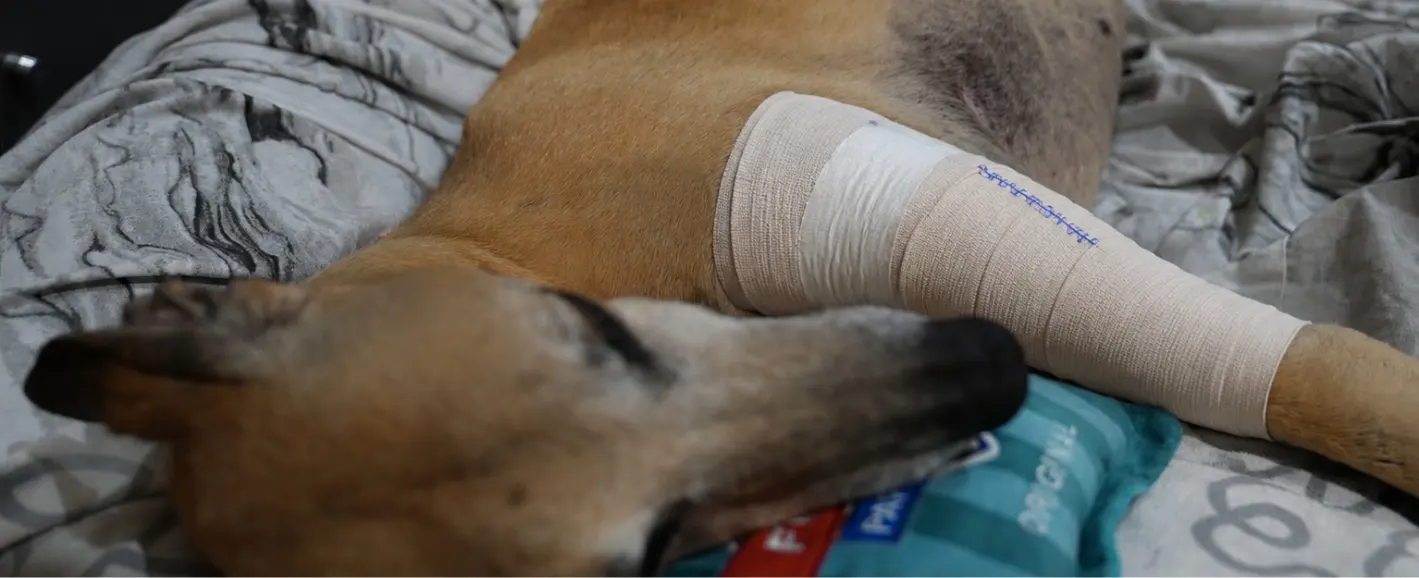
Recovery is a structured process that typically takes 12 to 16 weeks. Sticking closely to the post-operative care plan is one of the most important things you can do to protect the outcome of the surgery. Here is a guide to what each phase of recovery looks like:
| Recovery Phase | What to Expect |
|---|---|
| Days 1 to 3 | Your dog will be drowsy and sore from the anaesthesia and surgery. Focus on pain relief, rest, and monitoring comfort, appetite, and the wound. Only short toilet trips outside on a lead are permitted. Keep your dog calm and confined. |
| Weeks 1 to 2 | Strict rest and confinement continue. Short lead walks for toilet breaks only. No jumping, running, or stairs. Keep the wound clean and dry and administer medications as directed. Swelling and bruising around the site are normal. |
| Weeks 3 to 6 | Lead walks are gradually increased in length if your dog is progressing well. Activity restriction remains in place. Gentle physiotherapy exercises may be introduced at your vet's direction. |
| Weeks 7 to 8 | A follow-up appointment and X-rays are typically scheduled to assess bone healing. If the osteotomy site is healing on track, activity levels are carefully increased. |
| Weeks 8 to 12 | Exercise duration and intensity increase progressively. Hydrotherapy is often recommended during this phase to support muscle rebuilding without loading the joint too heavily. |
| Months 3 to 6 | Most dogs return to near-normal activity levels. Full off-lead exercise is typically permitted once your vet confirms healing is complete and the joint is stable. |
Regular follow-up appointments at Melbourne Pet Surgery are built into your dog's recovery programme. Our team monitors healing through X-rays and physical assessments, and tailors the exercise plan to your dog's individual progress.
Risks and Complications
The procedure has an excellent safety record and is well tolerated by the vast majority of dogs. As with any surgery, however, it is important to understand the potential risks before proceeding:
- Surgical site infection, minimised through strict sterile technique and a course of post-operative antibiotics
- Implant loosening or failure, which is uncommon and most often associated with returning to activity too early
- A meniscal tear after surgery, which occurs in a small number of cases and may require a follow-up procedure
- Tibial fracture at the osteotomy site, a rare complication typically linked to premature high-impact exercise
- Anaesthetic reactions, reduced through thorough pre-operative blood screening
- Post-operative swelling, bruising, or mild fluid accumulation around the site, which usually resolves with rest and appropriate care
Our surgical team will walk you through all of these risks before the procedure and ensure you have the information needed to make a fully informed decision. The great majority of dogs come through the operation without any significant complications and go on to make excellent recoveries.
Prognosis After TPLO Surgery
The outlook following this procedure is genuinely excellent. Clinical studies consistently show that more than 90% of dogs return to normal or near-normal activity levels, making this one of the highest success-rate orthopaedic operations in veterinary medicine.
Several factors contribute to a positive outcome:
- Early diagnosis and timely surgical intervention
- Maintaining a healthy body weight before and after surgery
- Following the post-operative rehabilitation programme carefully
- Completing a course of physiotherapy or hydrotherapy during recovery
Some degree of osteoarthritis in the stifle joint is an expected long-term consequence of cruciate rupture regardless of how it is treated. What the surgery does is significantly slow that progression compared to conservative management, giving your dog more comfortable, active years ahead. At Melbourne Pet Surgery, surgical expertise is paired with dedicated post-operative support to give your dog the best possible prognosis.
Alternatives to Consider
While this procedure is the recommended treatment for most dogs with cruciate ligament rupture, other approaches may be appropriate in certain circumstances. Your vet will help you understand which option best fits your dog's specific situation.
| Alternative | Overview and Suitability |
|---|---|
| Conservative Management | Involves rest, pain relief, and physiotherapy without surgery. May be considered for very small dogs under 15 kg or those with health conditions that make anaesthesia high-risk. Long-term outcomes are generally less favourable in larger dogs. |
| Extracapsular Repair (Lateral Suture) | A nylon suture is placed outside the joint to mimic the cruciate ligament's stabilising role. Better suited to small dogs. In larger breeds, durability is lower and re-injury rates are higher compared to bone-level procedures. |
| TTA (Tibial Tuberosity Advancement) | A bone-cutting technique that works on a similar principle but uses a different cut geometry. Less commonly performed in Australia, and the evidence base is not as well established as it is for TPLO across most dog sizes. |
| CBLO (CORA Based Levelling Osteotomy) | A newer technique that combines elements of both TPLO-style levelling and TTA-style advancement. Melbourne Pet Surgery also offers CBLO. Your vet will advise whether this or TPLO is the better fit for your dog. |
To explore which surgical option is right for your dog, speak with one of our vets at Melbourne Pet Surgery. We offer TPLO, CBLO, MMP, and Zlig and will recommend the approach best suited to your dog's size, breed, age, and lifestyle.

Frequently Asked Questions
Tibial Plateau Levelling Osteotomy (also written as Tibial Plateau Leveling Osteotomy in some publications) is a procedure for treating a ruptured cruciate ligament in dogs. A curved cut is made in the tibia and the tibial plateau is rotated to a new angle. This changes how the joint works so the knee no longer depends on the damaged ligament to stay stable.
The operation typically takes between 1.5 and 2.5 hours depending on the size of the dog and the complexity of the case. Your dog will spend additional time in a monitored recovery area before being discharged.
Full recovery generally takes 12 to 16 weeks. The first eight weeks focus on rest and controlled activity, with physiotherapy exercises introduced progressively. From week eight onwards, your dog gradually returns to normal exercise under veterinary guidance.
Potential risks include surgical site infection, implant-related complications, nerve sensitivity, and reactions to anaesthesia. At Melbourne Pet Surgery, thorough pre-operative assessment and sterile surgical technique are used to keep these risks as low as possible.
More than 90% of dogs treated with TPLO return to normal or near-normal activity. It is widely considered the most reliable long-term solution for cruciate ligament rupture in dogs.
Yes. Cruciate ligament disease can develop in both knees in some dogs. If your dog has had one knee treated, it is worth monitoring the other hind leg carefully and speaking with your vet promptly if any lameness appears. Your vet will advise whether a staged or simultaneous approach is most appropriate if both knees are involved.
TPLO surgery at Melbourne Pet Surgery is priced between $3,450 and $4,500 depending on your dog's size and medication requirements. This includes the pre-operative examination, X-rays, anaesthesia, implants, post-operative X-rays, take-home medications, and discharge consultation. Contact our team for a personalised quote.
TPLO is generally recommended for active dogs, larger breeds, and cases involving complete cruciate rupture. Its bone-level stabilisation offers more durable results than soft tissue repairs, particularly for dogs with higher activity demands.
Your dog will need rest, short controlled walks, pain relief, and a structured physiotherapy programme. Melbourne Pet Surgery provides a detailed discharge plan and schedules follow-up appointments to monitor progress throughout healing.
Many pet insurance policies include cover for orthopaedic surgery. We recommend contacting your insurer before the procedure to confirm what is included under your specific policy.