ACL Tears in Dogs: Causes, Symptoms, Treatment and Prevention
An anterior cruciate ligament (ACL) tear is the most common orthopaedic injury seen in dogs.
An anterior cruciate ligament (ACL) tear is the most common orthopaedic injury seen in dogs. The ACL plays a vital role in stabilising the stifle joint (the canine equivalent of the human knee), helping your dog walk, run, and move comfortably.
As pet owners, seeing a beloved dog suddenly limping or struggling to walk can be concerning. Understanding what causes ACL injuries, how they are treated, and most importantly, how they may be prevented can help keep your dog healthy and active for years to come.
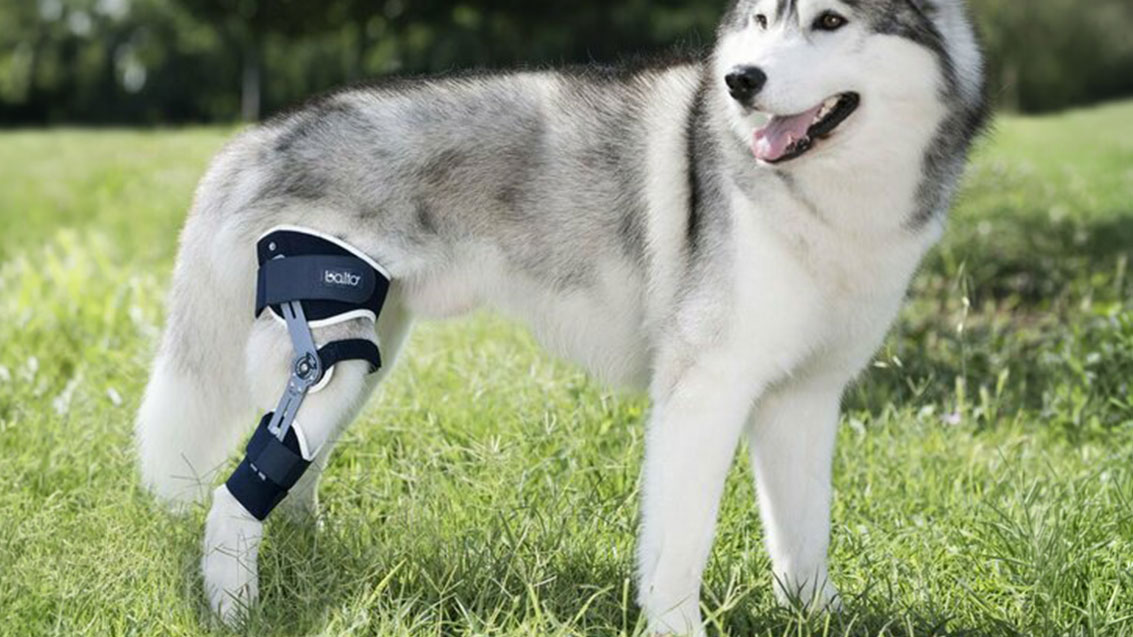
The stifle is designed to flex and extend. However, repeated twisting, pivoting, and rapid changes in direction can place excessive stress on the ACL, eventually causing it to weaken and tear.
When the ACL fails, the knee becomes unstable, leading to pain, lameness, inflammation, and eventually arthritis if left untreated.
According to veterinary surgeon Dr Scot Plummer, ACL tears are primarily caused by repetitive activities that involve sudden changes in direction combined with excess body weight.
Common activities associated with ACL injuries include:
- Repeated ball fetching
- Fence running
- Chasing wildlife
- High-speed play involving rapid turns
- Sudden acceleration and stopping
Excess body fat significantly increases the load placed on the ligament, accelerating wear and increasing the risk of rupture.
Interestingly, dogs that spend much of their lives running in straight lines, such as greyhounds, working farm dogs, and wild dogs, rarely experience ACL tears despite being highly athletic. This suggests that repetitive twisting movements, rather than running itself, are a major contributing factor.
Absolutely.
One of the strongest risk factors for ACL tears is excess weight. Additional body fat increases the forces placed on the stifle joint without contributing to strength or mobility.
ACL injuries occur in dogs of all sizes—from 3kg toy breeds to 80kg giant breeds—but in the vast majority of cases, excess body weight plays a significant role.
Maintaining a healthy body condition is one of the most effective ways to reduce your dog's risk of injury.
Dogs suffering an ACL injury may display:
- Sudden limping or lameness
- Difficulty standing after resting
- Reluctance to exercise
- Reduced weight-bearing on one hind leg
- Swelling around the knee
- Stiffness after activity
- Decreased mobility
If your dog develops any of these symptoms, prompt veterinary assessment is essential.
One of the key diagnostic tests involves assessing for abnormal forward movement of the tibia in relation to the femur, often referred to as a "drawer sign." This can indicate that the ACL is no longer stabilising the joint effectively.
X-rays are commonly performed to evaluate the stifle and rule out other causes of lameness, such as fractures, joint abnormalities, or advanced arthritis. While the ligament itself cannot usually be seen on standard X-rays, changes associated with an ACL tear are often visible.
In some cases, sedation may be required to allow a more accurate examination, particularly if the dog is painful or tense.
Early diagnosis is important, as untreated ACL tears can lead to ongoing instability, progressive arthritis, meniscal damage, and chronic pain. Prompt veterinary assessment allows treatment to begin sooner, improving comfort and long-term outcomes.
In most cases, surgical stabilisation is recommended to restore function and reduce long-term arthritis.
However, surgery is only one part of successful management.
To improve long-term outcomes, treatment should also include:
- Weight management
- Controlled exercise
- Rehabilitation and physiotherapy
- Avoidance of activities involving sharp turns and pivots
- Arthritis management and prevention
Many owners worry that once one ACL tears, the second ligament will eventually fail.
In our experience, when surgery is combined with weight loss and lifestyle modifications, the risk of the opposite ACL rupturing can be reduced significantly. Conversely, dogs that remain overweight and continue high-risk activities often develop tears in the opposite knee and progressive arthritis within just a few years.
While no injury can be prevented with 100% certainty, there are several steps owners can take to reduce the risk.
Maintain a Healthy Weight
Keeping your dog lean is one of the most effective preventative measures available.
A healthy weight reduces stress on joints, improves mobility, and lowers the likelihood of ligament injury.
Limit High-Risk Activities
Activities involving rapid acceleration, sudden stopping, and sharp changes in direction place enormous stress on the ACL.
Examples include:
- Ball throwing and fetching
- Fence running
- Chasing birds or wildlife
- Rough, high-speed play
Reducing exposure to these activities may help protect your dog's knees throughout their life.
Provide Supervised Exercise
Dogs left outside unsupervised often create their own entertainment, which may include fence running, chasing wildlife, or repetitive high-speed activity.
Providing supervised exercise and adequate indoor time can help minimise these risks.
For dogs at risk of ACL injury, the answer may be yes.
During a game of fetch, a dog repeatedly sprints, stops suddenly, and performs sharp 180-degree turns while chasing and returning a ball. These movements place substantial strain on the stifle joint and ACL.
If owners choose to continue playing fetch, water retrieval is considered a safer alternative because the joints experience significantly less load during swimming.
Many owners enjoy running with their dogs, but there are some important considerations.
Running on hard surfaces such as concrete and asphalt increases impact on joints and paws. Over time, repetitive high-impact exercise may contribute to joint degeneration and arthritis.
Additional concerns include:
- Paw pad injuries
- Heat stress
- Joint wear and tear
- Reduced recovery time between exercise sessions
If running with your dog, softer surfaces such as grass ovals are generally preferable.
Swimming and water-based exercise are also excellent low-impact alternatives, particularly during warmer weather.
For most dogs, regular walking provides all the exercise they need.
Walking allows dogs to:
- Explore their environment
- Engage in natural sniffing behaviours
- Maintain healthy body weight
- Support joint health
- Reduce stress and anxiety
As dogs age, their exercise requirements often decrease. Many senior dogs are perfectly content with shorter walks and more time relaxing at home.
ACL tears affect an estimated 50,000 to 100,000 dogs in Australia every year, making them one of the most common canine orthopaedic conditions.
While surgical treatment can be highly successful, prevention remains the best approach. Maintaining a healthy body weight, avoiding repetitive high-risk activities, and focusing on low-impact exercise can significantly reduce your dog's risk of suffering this painful injury.
If you notice any signs of limping, stiffness, or hind leg discomfort, seek veterinary advice early. Prompt diagnosis and treatment can improve outcomes and help your dog return to a comfortable, active life.
Melbourne Pet Surgery offers the below ACL surgeries
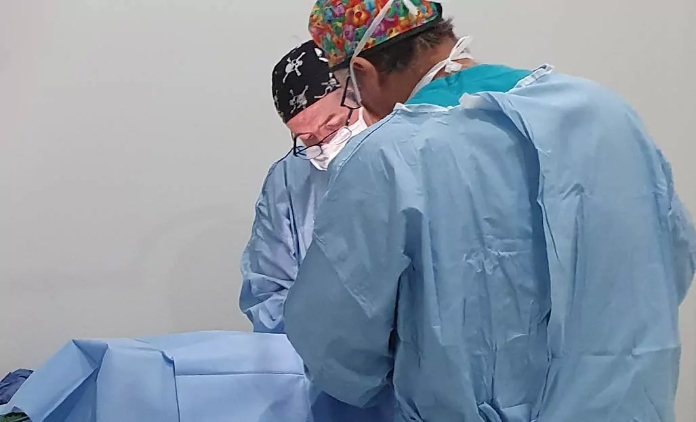
Tibial Plateau Levelling Osteotomy (TPLO)
TPLO is an advanced surgical procedure that restores stability after a cranial cruciate ligament (CCL) rupture in dogs of all sizes. By changing the angle of the tibial plateau, it eliminates the need for the damaged ligament, helping dogs recover more comfortably and return to an active lifestyle.
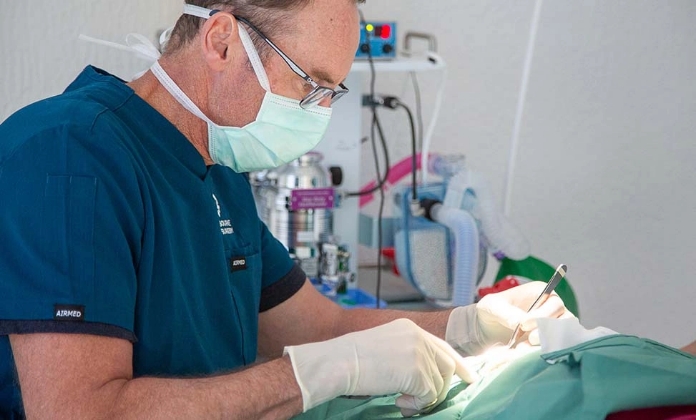
CBLO (CORA Based TPLO)
CBLO combines the principles of plateau levelling and tibial tuberosity advancement techniques to improve knee stability. Suitable for dogs of all sizes, it can provide a faster recovery while reducing the risk of complications, particularly in smaller dogs.
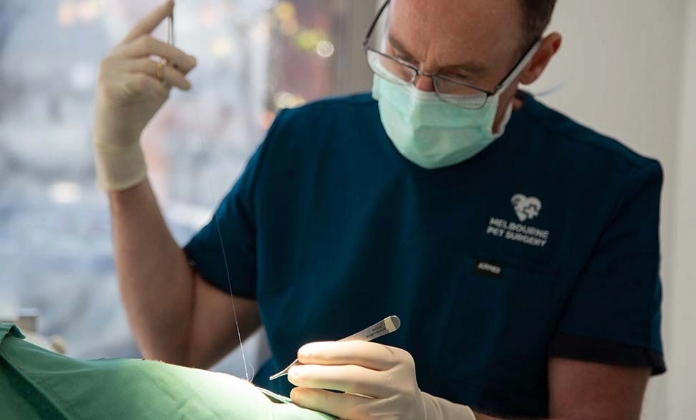
Modified Marquet Procedure (MMP)
The Modified Marquet Procedure (MMP) is a type of Tibial Tuberosity Advancement (TTA) surgery designed to improve knee function following an ACL/CCL injury. The procedure alters the biomechanics of the stifle joint to restore stability and support a more efficient recovery.
Zlig
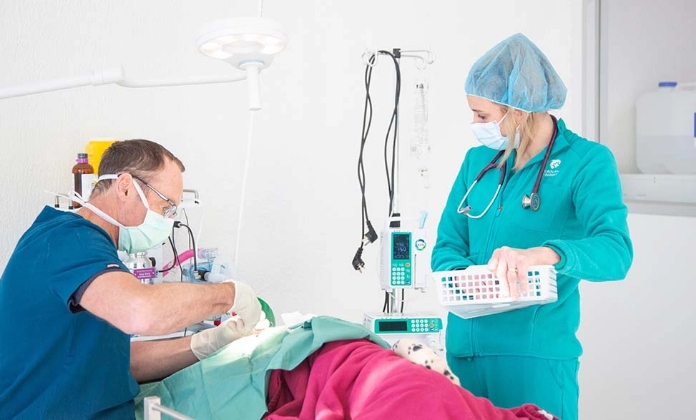
Zlig is a highly effective surgical procedure that directly stabilises the ACL using a specialised artificial implant designed to replace the function of the torn ligament. This technique restores joint stability, supports natural movement, and helps dogs return to an active lifestyle with improved confidence and comfort.